Buy viplivesports.eu ?
We are moving the project
viplivesports.eu .
Are you interested in purchasing the domain
viplivesports.eu ?
domain@kv-gmbh.de · 0541-91531010
Buy viplivesports.eu ?
What is the lack of normative character?
The lack of normative character refers to a situation where something does not conform to established norms or standards. It can indicate a deviation from what is considered typical or acceptable behavior within a particular context. This lack of normative character can lead to confusion, conflict, or criticism as it goes against the expected or desired norms of a society or group. In essence, it signifies a departure from the normative expectations or guidelines that are commonly upheld. **
What is the difference between descriptive and normative ethics?
Descriptive ethics is the study of what people believe to be right or wrong, without making judgments about those beliefs. It describes the moral beliefs and practices of individuals or groups. On the other hand, normative ethics is concerned with determining what is morally right or wrong, good or bad. It seeks to establish ethical principles or theories that can guide individuals in making moral decisions. In essence, descriptive ethics describes existing moral beliefs, while normative ethics prescribes what ought to be considered morally right or wrong. **


Similar search terms for Normative
Top-Angebote
Products related to Normative:
-
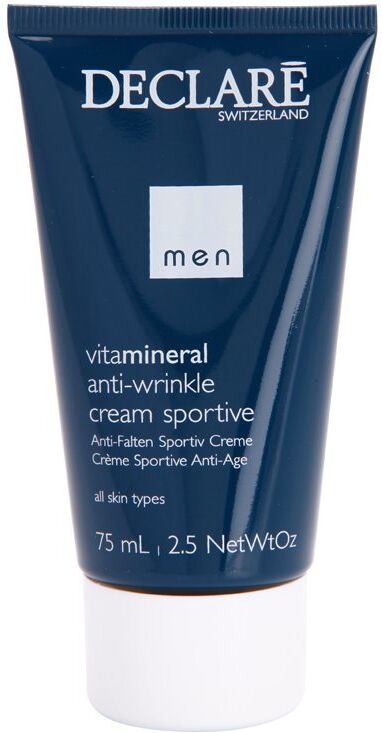
Declaré Men Vita Mineral anti-wrinkle cream for athletes 75 mlDeclaré Men Vita Mineral, 75 ml, Day Creams for Men, Characteristics: moisturises intensely nourishes the skin deeply reduces wrinkles and prevents their formation easy to spread and quickly absorbed rejuvenates and energises the skin the product is specially developed for the needs of men’s skin How to use: Apply to clean skin and massage in using circular movements.23,50 £*Shipping: 3,99 £Secure redirect to the provider
-
Roku HD Streaming StickTransform any TV into America’s #1 streaming platform with the Roku Streaming Stick HD. Enjoy quick access to 500+ free HD channels, including live news, sports, weather, and more — all from a sleek, compact device that stays out of sight. Key Features TV Streaming Made Easy: Explore popular apps, free movies, shows, and live TV effortlessly. Streaming has never been simpler or more fun. Compact Design, No Compromises: The stick’s slim design won’t block adjacent HDMI ports and even powers directly from your TV — no wall outlet or extra cords needed. All-in-One Remote: Control your TV and Roku device with a single remote. Adjust volume, power on/off, and search using voice commands. Portable Entertainment: Take your favorite shows with you while traveling without needing to log in on other devices. Bluetooth Headphone Mode: Stream privately by pairing your headphones directly to the Roku Streaming Stick. Apps & Entertainment BBC iPlayer All 4 Netflix Amazon Prime Video YouTube Apple TV+ Disney+ Vimeo Movie rentals Interfaces & Connectivity Wi-Fi enabled General Information Remote control included Compatible with HD TVs EAN: 82961000844827,99 £*Shipping: 0,00 £Secure redirect to the provider
-
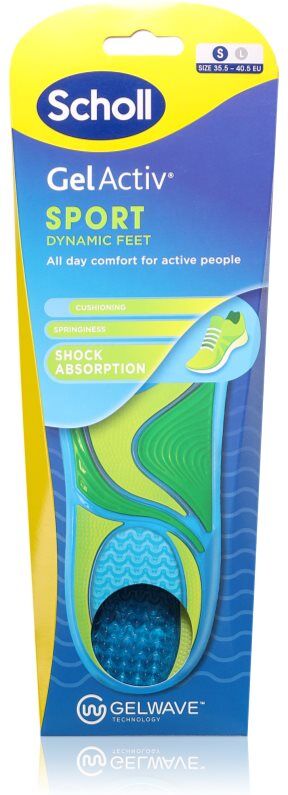
Scholl GelActiv Sport gel pads for athletes size EU 35.5 - 40.5 1 pairScholl GelActiv Sport, 1 pair, Foot Care for Women, Foot care is not just about creams, shower and bath products, masks or scrubs. Your regular routine can also benefit from various types of special beauty products. This product fromSchollGelActivSport perfectly complements any cosmetics you already use in your routine and makes your skin even more beautiful.9,50 £*Shipping: 3,99 £Secure redirect to the provider


-
What is the difference between appellative, descriptive, and normative?
Appellative refers to names or labels that are used to identify or refer to something, such as a person or object. Descriptive refers to statements or judgments that describe the characteristics or qualities of something. Normative refers to statements or judgments that prescribe or dictate what should be done based on a standard or norm. In summary, appellative is about naming, descriptive is about describing, and normative is about prescribing or dictating behavior. **
-
What are authority arguments, factual arguments, and normative arguments?
Authority arguments are based on the expertise or credibility of the source making the argument. They rely on the reputation or qualifications of the person or organization presenting the information. Factual arguments are based on evidence, data, and verifiable information. They rely on the accuracy and truthfulness of the information presented to support a particular point of view. Normative arguments are based on values, beliefs, and moral principles. They rely on what is considered to be right or wrong, good or bad, and are often used to make ethical or moral judgments. **
-
How do you distinguish between normative and descriptive statements?
Normative statements express an opinion or value judgment about what should or ought to be. They are subjective and cannot be proven true or false. Descriptive statements, on the other hand, describe the way things are or the way things are believed to be. They are objective and can be tested and proven true or false through observation and evidence. In summary, normative statements express opinions about what should be, while descriptive statements describe what is. **
-
What are the differences between normative, descriptive, and evaluative linguistics?
Normative linguistics focuses on prescribing rules and standards for language use, often based on traditional grammar and usage. Descriptive linguistics, on the other hand, aims to objectively describe and analyze how language is actually used by speakers and how it functions in different contexts. Evaluative linguistics involves making judgments about language use and its effectiveness, often considering factors such as clarity, appropriateness, and impact. While normative linguistics sets rules, descriptive linguistics observes language use, and evaluative linguistics assesses language in use. **


What is the difference between a normative and a descriptive source?
A normative source provides guidance on how things should be or how people ought to behave based on values, beliefs, or principles. It offers recommendations for ideal or ethical behavior. On the other hand, a descriptive source simply describes how things are or how people actually behave without making judgments or recommendations. Descriptive sources focus on providing information and analysis of current practices or behaviors without prescribing any particular course of action. **
How do you distinguish normative and descriptive statements from each other?
Normative statements express an opinion or value judgment about what should or ought to be. They are prescriptive in nature and often involve moral or ethical considerations. Descriptive statements, on the other hand, describe the way things are or the way things are believed to be, without expressing any value judgment. They are based on empirical evidence and aim to provide an objective account of reality. Distinguishing between the two involves recognizing whether the statement is making a value judgment or simply describing a factual state of affairs. **
Top-Angebote
Products related to Normative:
-
Bioserum Quince Normative Syrup 250 mlNutrition and Supplements Fatty acids and omegas Bioserum Quince Normative Syrup 250 ml Children under 8 years old: Take 5 ml. 3 times a day. Over 8 years old: Take 10 ml. 3 times a day. This product is beneficial to human health.11,41 £*Shipping: 3,99 £Secure redirect to the provider
-
Weleda Sport set for athletesWeleda Sport, 1 pc, Regeneration and massage for Women, Discover a practical bundle of products designed to enhance your everyday moments. WeledaSport set takes the hassle out of choosing by offering a combination of popular products. Now available together in one convenient pack. The set contains: Weleda Arnika massage oil 200.00 ml Weleda Arnika shower gel 200.00 ml How to use: Follow the instructions on the package.19,80 £*Shipping: 3,99 £Secure redirect to the provider
-
Declaré Men Vita Mineral anti-wrinkle cream for athletes 75 mlDeclaré Men Vita Mineral, 75 ml, Day Creams for Men, Characteristics: moisturises intensely nourishes the skin deeply reduces wrinkles and prevents their formation easy to spread and quickly absorbed rejuvenates and energises the skin the product is specially developed for the needs of men’s skin How to use: Apply to clean skin and massage in using circular movements.23,50 £*Shipping: 3,99 £Secure redirect to the provider
-
Roku HD Streaming StickTransform any TV into America’s #1 streaming platform with the Roku Streaming Stick HD. Enjoy quick access to 500+ free HD channels, including live news, sports, weather, and more — all from a sleek, compact device that stays out of sight. Key Features TV Streaming Made Easy: Explore popular apps, free movies, shows, and live TV effortlessly. Streaming has never been simpler or more fun. Compact Design, No Compromises: The stick’s slim design won’t block adjacent HDMI ports and even powers directly from your TV — no wall outlet or extra cords needed. All-in-One Remote: Control your TV and Roku device with a single remote. Adjust volume, power on/off, and search using voice commands. Portable Entertainment: Take your favorite shows with you while traveling without needing to log in on other devices. Bluetooth Headphone Mode: Stream privately by pairing your headphones directly to the Roku Streaming Stick. Apps & Entertainment BBC iPlayer All 4 Netflix Amazon Prime Video YouTube Apple TV+ Disney+ Vimeo Movie rentals Interfaces & Connectivity Wi-Fi enabled General Information Remote control included Compatible with HD TVs EAN: 82961000844827,99 £*Shipping: 0,00 £Secure redirect to the provider
-
What is the lack of normative character?
The lack of normative character refers to a situation where something does not conform to established norms or standards. It can indicate a deviation from what is considered typical or acceptable behavior within a particular context. This lack of normative character can lead to confusion, conflict, or criticism as it goes against the expected or desired norms of a society or group. In essence, it signifies a departure from the normative expectations or guidelines that are commonly upheld. **
-
What is the difference between descriptive and normative ethics?
Descriptive ethics is the study of what people believe to be right or wrong, without making judgments about those beliefs. It describes the moral beliefs and practices of individuals or groups. On the other hand, normative ethics is concerned with determining what is morally right or wrong, good or bad. It seeks to establish ethical principles or theories that can guide individuals in making moral decisions. In essence, descriptive ethics describes existing moral beliefs, while normative ethics prescribes what ought to be considered morally right or wrong. **
-
What is the difference between appellative, descriptive, and normative?
Appellative refers to names or labels that are used to identify or refer to something, such as a person or object. Descriptive refers to statements or judgments that describe the characteristics or qualities of something. Normative refers to statements or judgments that prescribe or dictate what should be done based on a standard or norm. In summary, appellative is about naming, descriptive is about describing, and normative is about prescribing or dictating behavior. **
-
What are authority arguments, factual arguments, and normative arguments?
Authority arguments are based on the expertise or credibility of the source making the argument. They rely on the reputation or qualifications of the person or organization presenting the information. Factual arguments are based on evidence, data, and verifiable information. They rely on the accuracy and truthfulness of the information presented to support a particular point of view. Normative arguments are based on values, beliefs, and moral principles. They rely on what is considered to be right or wrong, good or bad, and are often used to make ethical or moral judgments. **
Similar search terms for Normative
-
Scholl GelActiv Sport gel pads for athletes size EU 35.5 - 40.5 1 pairScholl GelActiv Sport, 1 pair, Foot Care for Women, Foot care is not just about creams, shower and bath products, masks or scrubs. Your regular routine can also benefit from various types of special beauty products. This product fromSchollGelActivSport perfectly complements any cosmetics you already use in your routine and makes your skin even more beautiful.9,50 £*Shipping: 3,99 £Secure redirect to the provider
-
Modern Mode Marketplace AdventureMax Waterproof Digital Sports Watch For Students & Outdoor Athletes orangeStay on time, active, and ready for every challenge with this digital sports watch designed for everyday performance. Whether you're heading to class, training outdoors, or exploring new adventures, this versatile watch delivers reliable...49,97 $*Shipping: 0,00 $Secure redirect to the provider
-
LightInthebox Men's Germany Flag Soccer Cleats - Lightweight Football Shoes with Anti-Slip Rubber Sole, Athletic Footwear for Training, Matches, Fan Events and Outdoor SoccerMaterials:Faux Leather,Synthetic leather; Season:Spring,All Seasons; Gender:Men's; Toe Shape:Round Toe; Style:Sporty,Fan Style; Occasion:Match Day,Sports Event,Fan Party,Stadium,Outdoor; Closure Type:Lace-up; Pattern:Graphic; Listing...59,99 $*Shipping: 6,99 $Secure redirect to the provider
-
How do you distinguish between normative and descriptive statements?
Normative statements express an opinion or value judgment about what should or ought to be. They are subjective and cannot be proven true or false. Descriptive statements, on the other hand, describe the way things are or the way things are believed to be. They are objective and can be tested and proven true or false through observation and evidence. In summary, normative statements express opinions about what should be, while descriptive statements describe what is. **
-
What are the differences between normative, descriptive, and evaluative linguistics?
Normative linguistics focuses on prescribing rules and standards for language use, often based on traditional grammar and usage. Descriptive linguistics, on the other hand, aims to objectively describe and analyze how language is actually used by speakers and how it functions in different contexts. Evaluative linguistics involves making judgments about language use and its effectiveness, often considering factors such as clarity, appropriateness, and impact. While normative linguistics sets rules, descriptive linguistics observes language use, and evaluative linguistics assesses language in use. **
-
What is the difference between a normative and a descriptive source?
A normative source provides guidance on how things should be or how people ought to behave based on values, beliefs, or principles. It offers recommendations for ideal or ethical behavior. On the other hand, a descriptive source simply describes how things are or how people actually behave without making judgments or recommendations. Descriptive sources focus on providing information and analysis of current practices or behaviors without prescribing any particular course of action. **
-
How do you distinguish normative and descriptive statements from each other?
Normative statements express an opinion or value judgment about what should or ought to be. They are prescriptive in nature and often involve moral or ethical considerations. Descriptive statements, on the other hand, describe the way things are or the way things are believed to be, without expressing any value judgment. They are based on empirical evidence and aim to provide an objective account of reality. Distinguishing between the two involves recognizing whether the statement is making a value judgment or simply describing a factual state of affairs. **
* All prices are inclusive of VAT and, if applicable, plus shipping costs. The offer information is based on the details provided by the respective shop and is updated through automated processes. Real-time updates do not occur, so deviations can occur in individual cases. ** Note: Parts of this content were created by AI.