Buy viplivesports.eu ?
We are moving the project
viplivesports.eu .
Are you interested in purchasing the domain
viplivesports.eu ?
domain@kv-gmbh.de · 0541-91531010
Buy viplivesports.eu ?
What are demonstrative pronouns and relative pronouns?
Demonstrative pronouns are pronouns that are used to point to specific things or people. Examples of demonstrative pronouns include "this," "that," "these," and "those." Relative pronouns are pronouns that introduce dependent clauses and connect them to independent clauses. Examples of relative pronouns include "who," "whom," "whose," "which," and "that." **
Why are demonstrative pronouns called demonstrative pronouns?
Demonstrative pronouns are called demonstrative because they demonstrate or point to a specific noun or pronoun in a sentence. They help to indicate the position or location of the noun or pronoun in relation to the speaker or listener. By using demonstrative pronouns such as "this," "that," "these," and "those," speakers can make their communication more precise and clear by specifying which person, place, thing, or idea they are referring to. **

Similar search terms for Pronouns
Top-Angebote
Products related to Pronouns:
-
Declaré Men Vita Mineral anti-wrinkle cream for athletes 75 mlDeclaré Men Vita Mineral, 75 ml, Day Creams for Men, Characteristics: moisturises intensely nourishes the skin deeply reduces wrinkles and prevents their formation easy to spread and quickly absorbed rejuvenates and energises the skin the product is specially developed for the needs of men’s skin How to use: Apply to clean skin and massage in using circular movements.23,50 £*Shipping: 3,99 £Secure redirect to the provider
-
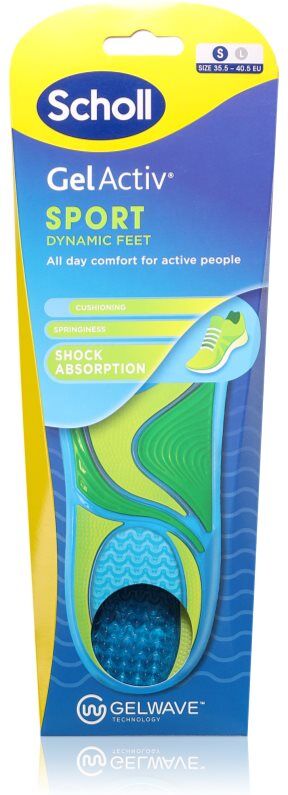
Scholl GelActiv Sport gel pads for athletes size EU 35.5 - 40.5 1 pairScholl GelActiv Sport, 1 pair, Foot Care for Women, Foot care is not just about creams, shower and bath products, masks or scrubs. Your regular routine can also benefit from various types of special beauty products. This product fromSchollGelActivSport perfectly complements any cosmetics you already use in your routine and makes your skin even more beautiful.9,50 £*Shipping: 3,99 £Secure redirect to the provider
-
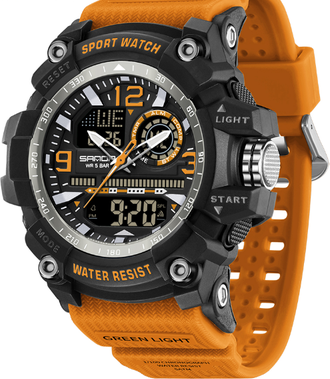
Modern Mode Marketplace AdventureMax Waterproof Digital Sports Watch For Students & Outdoor Athletes orangeStay on time, active, and ready for every challenge with this digital sports watch designed for everyday performance. Whether you're heading to class, training outdoors, or exploring new adventures, this versatile watch delivers reliable...49,97 $*Shipping: 0,00 $Secure redirect to the provider


-
With which pronouns do many people confuse reflexive pronouns?
Many people confuse reflexive pronouns with personal pronouns. For example, they may use "myself" or "yourself" instead of "me" or "you" in a sentence. This confusion often occurs when people are trying to emphasize the subject of the sentence, but they mistakenly use a reflexive pronoun instead of a personal pronoun. It's important to understand the difference between reflexive and personal pronouns in order to use them correctly in sentences. **
-
What are pronouns?
Pronouns are words that are used in place of nouns to avoid repetition in a sentence. They can refer to people, places, things, or ideas. Pronouns help make sentences clearer and more concise by replacing specific nouns with general words like "he," "she," "it," "they," and "we." Using pronouns also helps to maintain the flow of writing and make it more engaging for the reader. **
-
What is the difference between personal pronouns and reflexive pronouns?
Personal pronouns are used to refer to people or things, such as "I," "you," "he," "she," "it," "we," and "they." Reflexive pronouns, on the other hand, are used when the subject and object of a sentence are the same person or thing, such as "myself," "yourself," "himself," "herself," "itself," "ourselves," and "themselves." Reflexive pronouns are used to reflect the action back onto the subject, while personal pronouns simply refer to the subject or object. **
-
Which pronouns do many people often confuse with reflexive pronouns?
Many people often confuse reflexive pronouns with intensive pronouns. Intensive pronouns are used to emphasize a preceding noun or pronoun, while reflexive pronouns are used when the subject and object of a sentence are the same. For example, "I myself will do it" uses an intensive pronoun, while "I hurt myself" uses a reflexive pronoun. It is important to understand the distinction between these two types of pronouns to use them correctly in sentences. **


Can you help me with personal pronouns and possessive pronouns?
Certainly! Personal pronouns are used to replace nouns in a sentence, such as "I", "you", "he", "she", "it", "we", and "they". Possessive pronouns show ownership or possession, such as "mine", "yours", "his", "hers", "ours", and "theirs". If you need help understanding how to use these pronouns in a sentence or identifying which pronoun to use in a specific context, feel free to ask for more guidance. **
What is the difference between relative pronouns and interrogative pronouns?
Relative pronouns are used to connect a dependent clause to an independent clause, providing more information about a noun in the independent clause. They include words like "who," "which," and "that." Interrogative pronouns, on the other hand, are used to ask questions and gather information. They include words like "who," "what," "which," "whom," and "whose." The main difference between the two is their function in a sentence - relative pronouns connect clauses, while interrogative pronouns are used to ask questions. **
Top-Angebote
Products related to Pronouns:
-
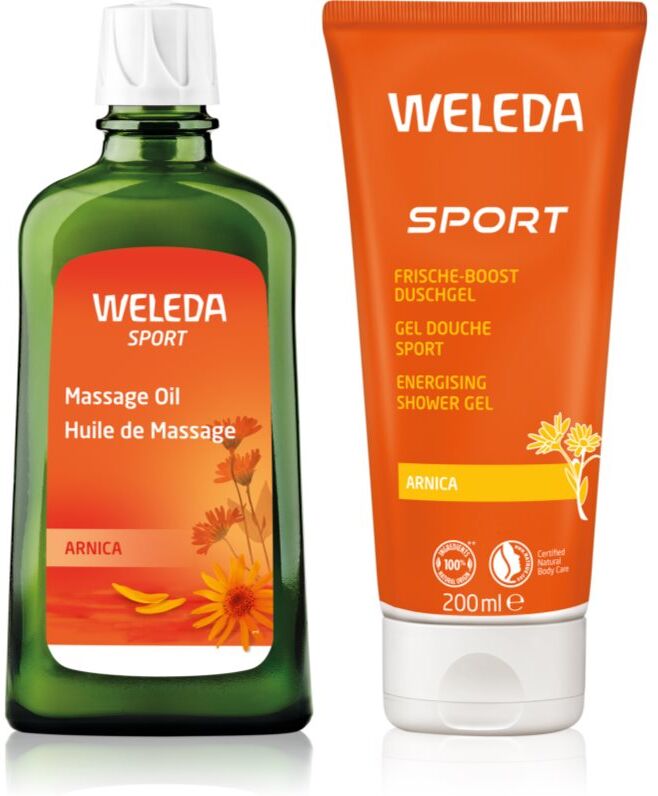
Weleda Sport set for athletesWeleda Sport, 1 pc, Regeneration and massage for Women, Discover a practical bundle of products designed to enhance your everyday moments. WeledaSport set takes the hassle out of choosing by offering a combination of popular products. Now available together in one convenient pack. The set contains: Weleda Arnika massage oil 200.00 ml Weleda Arnika shower gel 200.00 ml How to use: Follow the instructions on the package.20,20 £*Shipping: 3,99 £Secure redirect to the provider
-
Roku HD Streaming StickTransform any TV into America’s #1 streaming platform with the Roku Streaming Stick HD. Enjoy quick access to 500+ free HD channels, including live news, sports, weather, and more — all from a sleek, compact device that stays out of sight. Key Features TV Streaming Made Easy: Explore popular apps, free movies, shows, and live TV effortlessly. Streaming has never been simpler or more fun. Compact Design, No Compromises: The stick’s slim design won’t block adjacent HDMI ports and even powers directly from your TV — no wall outlet or extra cords needed. All-in-One Remote: Control your TV and Roku device with a single remote. Adjust volume, power on/off, and search using voice commands. Portable Entertainment: Take your favorite shows with you while traveling without needing to log in on other devices. Bluetooth Headphone Mode: Stream privately by pairing your headphones directly to the Roku Streaming Stick. Apps & Entertainment BBC iPlayer All 4 Netflix Amazon Prime Video YouTube Apple TV+ Disney+ Vimeo Movie rentals Interfaces & Connectivity Wi-Fi enabled General Information Remote control included Compatible with HD TVs EAN: 82961000844827,99 £*Shipping: 0,00 £Secure redirect to the provider
-
Declaré Men Vita Mineral anti-wrinkle cream for athletes 75 mlDeclaré Men Vita Mineral, 75 ml, Day Creams for Men, Characteristics: moisturises intensely nourishes the skin deeply reduces wrinkles and prevents their formation easy to spread and quickly absorbed rejuvenates and energises the skin the product is specially developed for the needs of men’s skin How to use: Apply to clean skin and massage in using circular movements.23,50 £*Shipping: 3,99 £Secure redirect to the provider
-
What are demonstrative pronouns and relative pronouns?
Demonstrative pronouns are pronouns that are used to point to specific things or people. Examples of demonstrative pronouns include "this," "that," "these," and "those." Relative pronouns are pronouns that introduce dependent clauses and connect them to independent clauses. Examples of relative pronouns include "who," "whom," "whose," "which," and "that." **
-
Why are demonstrative pronouns called demonstrative pronouns?
Demonstrative pronouns are called demonstrative because they demonstrate or point to a specific noun or pronoun in a sentence. They help to indicate the position or location of the noun or pronoun in relation to the speaker or listener. By using demonstrative pronouns such as "this," "that," "these," and "those," speakers can make their communication more precise and clear by specifying which person, place, thing, or idea they are referring to. **
-
With which pronouns do many people confuse reflexive pronouns?
Many people confuse reflexive pronouns with personal pronouns. For example, they may use "myself" or "yourself" instead of "me" or "you" in a sentence. This confusion often occurs when people are trying to emphasize the subject of the sentence, but they mistakenly use a reflexive pronoun instead of a personal pronoun. It's important to understand the difference between reflexive and personal pronouns in order to use them correctly in sentences. **
-
What are pronouns?
Pronouns are words that are used in place of nouns to avoid repetition in a sentence. They can refer to people, places, things, or ideas. Pronouns help make sentences clearer and more concise by replacing specific nouns with general words like "he," "she," "it," "they," and "we." Using pronouns also helps to maintain the flow of writing and make it more engaging for the reader. **
Similar search terms for Pronouns
-
Scholl GelActiv Sport gel pads for athletes size EU 35.5 - 40.5 1 pairScholl GelActiv Sport, 1 pair, Foot Care for Women, Foot care is not just about creams, shower and bath products, masks or scrubs. Your regular routine can also benefit from various types of special beauty products. This product fromSchollGelActivSport perfectly complements any cosmetics you already use in your routine and makes your skin even more beautiful.9,50 £*Shipping: 3,99 £Secure redirect to the provider
-
Modern Mode Marketplace AdventureMax Waterproof Digital Sports Watch For Students & Outdoor Athletes orangeStay on time, active, and ready for every challenge with this digital sports watch designed for everyday performance. Whether you're heading to class, training outdoors, or exploring new adventures, this versatile watch delivers reliable...49,97 $*Shipping: 0,00 $Secure redirect to the provider
-
Ronald Redding Streaming Cheetah Linen WallpaperMarble veining and animal skin combine to compose a stream of color and print in pattern Streaming Cheetah. This Streaming Cheetah Wallpaper measures approximately 27 inches wide by 27 feet long, covering About 60.8 square feet per roll.170,00 $*Shipping: 0,00 $Secure redirect to the provider
-
LightInthebox Men's Germany Flag Soccer Cleats - Lightweight Football Shoes with Anti-Slip Rubber Sole, Athletic Footwear for Training, Matches, Fan Events and Outdoor SoccerMaterials:Faux Leather,Synthetic leather; Season:Spring,All Seasons; Gender:Men's; Toe Shape:Round Toe; Style:Sporty,Fan Style; Occasion:Match Day,Sports Event,Fan Party,Stadium,Outdoor; Closure Type:Lace-up; Pattern:Graphic; Listing...59,99 $*Shipping: 6,99 $Secure redirect to the provider
-
What is the difference between personal pronouns and reflexive pronouns?
Personal pronouns are used to refer to people or things, such as "I," "you," "he," "she," "it," "we," and "they." Reflexive pronouns, on the other hand, are used when the subject and object of a sentence are the same person or thing, such as "myself," "yourself," "himself," "herself," "itself," "ourselves," and "themselves." Reflexive pronouns are used to reflect the action back onto the subject, while personal pronouns simply refer to the subject or object. **
-
Which pronouns do many people often confuse with reflexive pronouns?
Many people often confuse reflexive pronouns with intensive pronouns. Intensive pronouns are used to emphasize a preceding noun or pronoun, while reflexive pronouns are used when the subject and object of a sentence are the same. For example, "I myself will do it" uses an intensive pronoun, while "I hurt myself" uses a reflexive pronoun. It is important to understand the distinction between these two types of pronouns to use them correctly in sentences. **
-
Can you help me with personal pronouns and possessive pronouns?
Certainly! Personal pronouns are used to replace nouns in a sentence, such as "I", "you", "he", "she", "it", "we", and "they". Possessive pronouns show ownership or possession, such as "mine", "yours", "his", "hers", "ours", and "theirs". If you need help understanding how to use these pronouns in a sentence or identifying which pronoun to use in a specific context, feel free to ask for more guidance. **
-
What is the difference between relative pronouns and interrogative pronouns?
Relative pronouns are used to connect a dependent clause to an independent clause, providing more information about a noun in the independent clause. They include words like "who," "which," and "that." Interrogative pronouns, on the other hand, are used to ask questions and gather information. They include words like "who," "what," "which," "whom," and "whose." The main difference between the two is their function in a sentence - relative pronouns connect clauses, while interrogative pronouns are used to ask questions. **
* All prices are inclusive of VAT and, if applicable, plus shipping costs. The offer information is based on the details provided by the respective shop and is updated through automated processes. Real-time updates do not occur, so deviations can occur in individual cases. ** Note: Parts of this content were created by AI.